2012년 11월 2일 금요일

Earthlings Review 2nd draft(with hyperlinks)


‘Earthlings,’ One Step Toward the Planetary Humanity


As a member of a famous animal rights movement group in Korea, I myself have been interested in animal rights and animal protection for many years. Whenever I read the articles or postings about the cruelties to animals, I see a great number of people are interested in the issue just like me. Yet, we are hardly at consensus about what are animal rights and how we should protect them. Some of us are as extreme as to avoid meats and any products that are made from animals; some others are purely motivated to participate in animal protection by affection to animals, mostly pets. The director of Earthlings, Shaun Monson, is close to the former group. He alleges that animals, not only humans, have rights to live an unperturbed life, criticizing commercial exploits of animals. This extreme stance of the director contributes to polarized reactions to Earthlings; many vegans and animal activists agree with his position, while others are uncomfortable and critical about it. Whether or not the director’s point can be admitted to the public, the movie aptly conveys its message to viewers and brings out wanted reactions from them.
Some people argue that the issues of the movie are so widely ranged that it fails to suggest any detailed and feasible solution for any matter. However, if we look closer, we can see the common center of the myriads of brief information; the origin of the problem is originated not in a particular field of industry or by a particular group of people, but in a universal attitude of people toward other species. It does matter that we are eating meat of chickens and pigs raised in filthy and overcrowded factories and our clothes contain deadly preserves. It is possible to temporarily alleviate the life conditions of animals in certain industries, enforcing new laws and policies; however, unless people think it is wrong to treat animals as the resources for products, another problem will continue to emerge from any other place. For instance, despite the restraints in many regions of India, people have designed a “death march” which is to transport cows for days to a region where killing cow is legal, till they die from starvation and torture. In fact, to the Hindus, the leather industry in India is a hideous blasphemy. Yet, the industry has grown to be the biggest in the world due to the endless and increasing consumptions of leathers in Western countries. As far as the consumption and need for the leather exists, manufacturers will do anything to fulfill the needs. The last scene of the clothing exemplifies the director’s main point with ironic metaphor; a woman asks “how much does this run” and the clerk responds, “This is… $49,500.” Can human beings measure the cost of death of other living creature in dollars? Yet, most people view animals as natural resources that can be freely exploited by us, the most intelligent creatures. After seeing the wide ranging problems, we are forced to conclude that attempt to commercialize animals is the fundamental reason of the problem.
Some people also assert that the film is emotionally effective but fails to change people’s behavior. First of all, I want to point out that pathos is not at all an inferior method to persuade people to logos. In fact, animal protection is all about emotions, especially compassion. In an interview, Shaun Monson says when we view any group with empathy, it mirrors our humanity. Since long before the ancient civilization evolved, people divided people into two groups; the neighbors linked with compassion and sympathy and outsiders viewed with apathy and hostility. People start to care about others when they feel empathy. Without empathy the world would be full of wars, disputes, and violence. The director goes one step farther to extend this humane sentiment to the all living creatures sharing common emotions and senses. Tolstoy said, "as long as there are slaughterhouses, there will be battlefields.” This quote implies that as far as apathy toward certain groups exists, it reflects our humanity. In a sense, overcoming speciesism is relevant to maintaining harmony in human society. If the director had relied on logic and reason to persuade we should not treat animals as mere objects or lesser creatures, it would have been impossible to move so many people’s minds and reinforce the link among the earthlings.
It is true that even with deep resonance, few people actually change their life style after watching this film. Many people say in response videos, that they felt great guilt while watching the film, yet are still ignorant about speciesism after the movie ended. People tend to justify their meat oriented eating habits, animal experiments and animal products, clinging to the belief that the conditions cannot be too bad as the film shows. The narrator says in the conclusion, that ignorance is the speciesist’s first line of defense. However, it is too early to conclude the film is a failure. The director believes that ignorance can be breached by anyone with time and determination to find out the truth. We must go through ridicule and violent opposition to reach general acceptance. Since, exploits of animals are so deeply rooted a custom in human history, it requires pains and struggles to disclaim this life style. However, as more and more people watch how their products and foods are made, they would inevitably search for a way to solve the problem.
Actually, I once tried to be a vegetarian months ago, after I watched a video of thousands of hogs buried alive when the foot andmouth disease prevailed. During the first week after watching, I avoided eating any food containing meats or eggs due to trauma. Yet, the trauma faded away after a week and now I eat meats and dairy foods, though less frequently and in less amount. Change usually comes when the small stimulants amass to the tipping point. This 90 minute movie is hardly a life shifting experience for many people. Nonetheless, this film fulfills its role to make people take a first step toward thinking about the animal rights, and investigate and discuss about what the “truth” is.


2012년 10월 13일 토요일

Earthlings Review(First Draft)

One Step into the Truth


As a member of a famous animal right movement group in Korea, I myself have been interested in animal rights and animal protection for many years. Whenever I read the articles or postings about the cruelties to animals on the Internet, I see a great number of people are interested in the issue just like me. Yet, we are hardly at consensus about what is the animal right and how we should protect the animals. Some of us are as extreme as to avoid meats and any products that are made from animals, and some are purely motivated to participate in animal protection by inclination toward other animals, mostly pets. The director of Earthlings, Shaun Monson, is close to the former. He alleges that the animals, not only the humans, have rights to live unperturbed life, criticizing commercial exploits of animals. This extreme stance of the director contributes to polarized reactions to Earthlings; many vegans and animal activists welcome his points, while others are uncomfortable and critical about them. However, whether or not the director’s point can be admitted, the movie is well made to convey its message and bring out wanted reactions from the audience.

Some people argue that the issues of the movie are so wide-ranged that it failed to suggest any detailed and feasible solution for any matter. However, if we look closer, we can see the common center of the myriads of information; the origin of the problem is not in a particular field of industry or particular class of people, but in universal attitude of people toward the other species. It does matter that we are eating the chickens and pigs raised in filthy and overcrowded place and our clothes contain deadly preserves; however, unless people think it is wrong to treat animals as the resources for products, another problem will continue to emerge from any other place, even when we try to alleviate in one problem. For instance, despite of the restraints in many regions of India, people have designed devastating “death march” to transport the region where killing cow is legal. As far as the consumption and need for the leather exists, manufacturers will do anything to fulfill the needs. The last scene of the clothing exemplifies the director’s main point with ironic metaphor; a woman asks “how much is this run” and a clerk responds, “This is… $49,500.” Can human beings measure the devastating suffering and violences of the death march in monetary values? After seeing the wide ranging problems of cruelties to animals, we are forced to conclude that an attempt to commercialize animals has to be changed.

Some people also assert that the film is emotionally effective but fails to change people’s behavior. First of all, I want to point out that persuasion by pathos is not at all inferior to that by logos. Moreover, animal protection is all about emotions, especially compassion. In an interview, Shaun Monson says in an interview that if we view any group in the perspective of empathy, it would mirror our humanity. Since long before the civilization evolved, people divided people into two groups: the inner group linked with compassion and sympathy, and outer group avoided with apathy and hostility. People start to care about others when they feel empathy. Without empathy the world would be full of wars, disputes, and jealousy. The director goes one step farther to extend this universal sentiment to the all creatures. As Tolstoy said, "as long as there are slaughterhouses, there will be battlefields,” as well as apathy exists toward certain group, it would reflect our humanity. Like the elephant trainer in the film, people with extreme hostility to other creatures are very likely to have the similar problem with relationships with other people, since animals are emotional beings like humans. Earthlings effectively triggers universal empathy to all living creatures using various video clips and quotes. If it had relied on logics and reasons why we should not treat animals as mere objects or lesser creatures, it would have been impossible to convince people of the link among the earthlings.

It is true that even with deep emotional resonance, few people actually change their life style after watching this film. Many people say in response videos, that they felt great guilt while watching the film, yet are still ignorant about speciesism. People tend to justify their meat-eating, animal experiments and animal products, clinging to the belief that the conditions cannot be too bad. As the narrator says in the conclusion, ignorance is the speciesist’s first line of defense. However, the director believes that ignorance can be breached by anyone with time and determination to find out the truth. To pursue the change, we must go through ridicule and violent opposition, the first two steps of three stages of truth. Since, exploits of animals are so deeply rooted a custom in human history, it requires pains and struggles to disclaim this life style. However, as more and more people watch how their products and foods are made, they would inevitably find a way to ameliorate the conditions of animals.

Actually, I once tried to be a vegetarian a few months ago, after I watched a video of thousands of hogs being buried alive last year when the foot and mouth disease was spreading. During the first week after I watched the video, I avoided eating any food containing meats or eggs because of trauma. Yet, the trauma fainted away day by day, and now I eat meats and dairy foods, though less frequently and in less amount. Change, usually comes when the stimulants accumulate to a tip point. This 90 minutes movie on Youtube can hardly be life shifting experience for many people. Nonetheless, this film introduce people to take a first step into the animal rights and make them investigate, research, and discuss to find what is the “truth”.

2012년 9월 16일 일요일

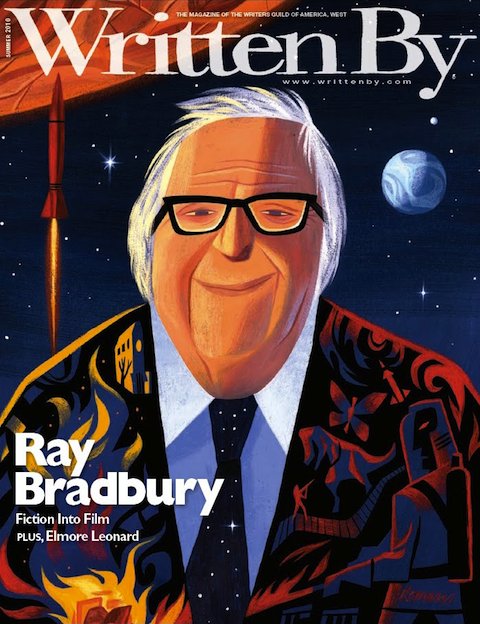
Naver Cast about Ray Bradbury's Fix-up Novels


http://navercast.naver.com/contents.nhn?contents_id=7341
--> This page introduces some fix-up novels written by Ray Bradbury including The Martian Chronicles. It also has a summary for each novel.(A little bit of spoilers..)

Fix-up novels are the short stories composed of initially unrelated stories. Each chapter of the Martian Chronicles was a separate piece of work, as well. I guess the short chapters, like The Rocket Summer and The Taxpayer, were written afterward to make the whole story flow smoothly.

2012년 9월 14일 금요일

Reading Journal#1 (with Quote)

The Earth Man
 
"I don't suppose you could even-" suggested the captain. "I mean, that is, try to, or think about..." He hesitated. "We've worked hard, we've come a long way, and maybe you could just shake our hands and say 'Well done!" do you-think?" His voice faded.
Reading this paragraph, I caught the message the author wants to convey in a story about martians: different people can view on the same incidence from incredibly different perspectives. In this chapter, Captain William landed on Mars with his crews as the Second Expedition. When he first lands on the alien planet, he expected warm, amazed welcome from the Martian. Yet, to disappointment, the Martian are not at all surprised or interested in the 'aliens'.
One of the most interesting, and also the most weird thing, in this novel is the reactions of the martian people to the alien explorers. Isn't it amazing to meet a man from Earth? Are they too busy to realize that talking with an alien is, indeed, an abnormal experience?
 
 
It is only 'our expectation' that the martians should be stunned to meet an alien or, more basically, should realize that they are experiencing something exotic. To be stunned, one should find something to be stunned; if he can't, he would feel normal and natural. Since the Martian are very used to psychic activities, such as telepathy and false image, they are more likely to mark the earth men with insanity than to accept what they see, hear, and smell. It is only after Mr. Xxx shots all the innocent explorers off, that he recognize that he has been confronted with something more extraneous than mere imagery. I guess the reason why the fabricated village appears in The Third Expedition is that the Martian understand the existence of extraterrestrial beings on the third planet in the solar system.
When I was reading through the first few chapters, I could not understand why so many readers applauded this childish, cheesy, and simple novel. However, now I realize that this novel appeals with hidden creepiness and fresh and distanced perspective toward the civilization on Earth.

2012년 8월 31일 금요일

Assignment#1 Childhood Trauma(REVISION)


Locked "Out" of the House
You are an eight-year-old girl, who love your family. You have a five-year-old younger brother, who looks naïve and cherubim like a typical five-year-old child. You and your brother, living next to grandma’s house, visit Grandma almost once a week. Grandma’s house, which is an apartment just like your house, is small but decorative.
The house has two verandas; one directed outward to the road is full of trees and flowers, all groomed by Grandma, and the other, smaller one, facing the playground has an antique and cozy armchair. Sitting on the armchair, you see and hear the children running around and giggling brightly from the playground. What a peaceful afternoon; you sit here enjoying warm, suave breeze until Grandma calls you for dinner. Your eye leads slowly come down. Then, you glance at an object behind the window. It is your brother, with his blank, naïve countenance. 'Why is he standing there alone?’ He lifts up the lever, turns away and waddles out of the room. You push the window aside but it does not move; yes, you are locked in the veranda by your five-year-old brother.

You hesitatingly perch yourself on the chair, with the blank face and empty brain. 'What just happened?' Yet, it takes only a few seconds for you to realize that you cannot escape from this tiny veranda before someone appears to save you. “Grandma! Grandma, where are you?” You call for grandma’s help, first murmuring then raising your tremoring voice. Yet, your feeble voice can never penetrate the tightly closed window. Furthermore, your grandma's bad ears would have no way to catch your voice. Now you are desperate: you might even starve to death in this veranda. You keep imagining: ‘People will find me mummified and laugh at how stupidly I died.’ Now presumably the last day in this world does not seem so peaceful and warm; you see the playful children out there, yet you are not able to join them any more. You even imagine to jump off the eleventh floor and land on the floor gently, like a cat or superhero. But, of course, you're neither a cat nor a hero.

After an hour, which felt like a day, you see your grandma holding your brother’s hand come into the room. You quickly approach the window and knock furiously. She opens the window, astonished. You no longer have to worry about being a mummy. Your brother, watching you exhausted, has cunningly innocent look as if he's saying, “I have no idea what just happened to you”. You shout, “Grandma, he locked the window an hour ago!”

She, still holding his hand and grinning, transmits your words to him softly “Sweetie, did you lock the window?” “Well, I didn’t know I was locking it,” he simply replies. How can you argue more? Your grandma thinks he capable of nothing but eating and throwing temper tantrums. You can only forgive your young brother, but still having doubt if he really did not know what he was doing. Why was he behind the window, doing something, that he has no idea what it is? Nobody knows.

You learn two lessons from this “near to death” experience: First, your younger brother can be dangerous in some unexpected way; second, you should always be cautious when you are in a closed place. Ironically, you escaped from the veranda but not from more traumatic experiences of locking in later on: You were to locked in a bathroom of a ferry, and then in a secluded classroom of your middleschool.

2011년 12월 9일 금요일

Stand by Me Soundtracks!

These are the soundtracks of Stand by Me. (I found the list at the IMDb.)

1. "Stand by Me" - Ben. E. King

The director adapted the name of this song as the title of the movie. The lyrics is relevent to the theme: Young boys with different scars in their background stand by and rely on each other. "Stand by Me" is my favorite soundtrack; I was hooked by the repetitive and cheerful melody - I actually hummed the melody for awhile after I heard this song for the first time.

2. Mr. Lee - The Bobbettes


I don't remember when this song appears in the film, but I am familiar with this light music. This song also matches with the storyline, for they both portrays kids beating the careless and hopeless adults. This song was originally about a teacher whom the Bobbettes hated.(By the way the Bobbettes is an R&B girlgroup, as you can infer from the song. "Mr. Lee" was the best hit song.)

3. Rockin' Robin - Bobby Day


Oh, this is the song for the treehouse! I really like this kind of rock-n-roll music, cheerful and fun!

4. Great Balls of Fire - Jerry Lee Lewis


If I remeber correctly, this song is at the very first scene of the gangsters. This is another remarkable piece with refreshing charm; it is not at all out-dated!

6. Sorry - H. Giosasi and A. Zwirn

 Hey! Do you remember this scene?


This part was very funny and the boys were really cute! Sorry(I went all the way home) was the best hit song of the Impalas, a "doo-wop" group in the late '50s. (Isn't the word "doo-wop" so well identify the song?) I thought this song was good, but most importantly the chorus is so funny and cute.

I have 10(!) more songs to review, but I think I'd better cut the list into 2 or 3 parts. (I still have many good soundtracks, such as Lollipop!) Anyway, I appreciate the director's sense of selecting the "golden" old pops, that are relevant to the movie and master pieces themselves.

2011년 12월 3일 토요일

The Second Reading Journal of The Body

After I finished the book...


I remember that I promised to discuss about the four characters and the relationship between the Gordie and the author in the last reading journal. In addition to those, I want to discuss about the theme. Through the entire book, each boy has distinguishable characteristics and all of them served an important role for the plot in their own way. 

 Teddy is reckless, tempered, and quite eccentric kid. He laughs eerily with “EE-eeee-ee” sound like the sound of nail squeaking into a wooden plate in the book. His hobby is “Truck Dodging”. Behind his foolhardiness, Teddy has suffered from his violent father, who melted his ear to driving him to deafness. Teddy often explodes with uncontrolled aggression, but his nature is not so different from ordinary 12-year-old boys. The scene at the dump dramatically reveals the immature and naïve nature of Teddy. He loses his temper when the Teddy is still an ingenuous boy, who cares his father, who is in a hospital. Also, this event contrasts the bravery of Chris and Teddy. His bravery also turns out to be superficial when the boys encounter the gang. At first, he made fun of the gangs, but when Chris was in trouble he was the first one to run away. I think Teddy is the most ironic character. He is the most upright boy among the four, yet he has an obscure shadow behind the uprightness.

Vern is sometimes dull, coward. He is the one told the story about Ray Brower to his friends. He is not as mature as Gordie or Chris, so he usually goes along with Teddy. He is from a normal family background, except for his bully brother. During the in class discussion, one classmate mentioned that Vern is not just a negative character in the novel, but has own value to show the immaturity. I agree with that opinion: it was Vern, who emphasized the leadership of Chris by being contrasted. Also, the presence of Vern made the story more realistic and hilarious, as there are much more Vern-like children than Chris-like children in reality. I enjoyed the scenes when Vern appears, especially the train part, because all of his behavior and dialogues were so Vern-like.

Chris is a tough, clever boy who leads the group. He is the soul-mate of Gordie. He is the only one who understands the story that Gordie made, and he highly values Gordie’s capability. Chris is a brave child, but in a different sense from Teddy: Chris knows when he has to be brave and when he has to be warm. He comforts Teddy when he broke down from the insulting words for his dad, and he is very sincere when he talks with Gordie. Yet, he is brave enough to fight against the gangsters. I wondered if a 12 year olds boy can be so matured, to protect his brother who beaten the little brother. Though he has a great potential, his aim for success, at least normal life, is frustrated from a poor family background. Many adults, including the teachers, and Gordie’s father, only think that Chris is a ruined boy and will grow up to be a He realizes his reality at an early age and wants to sacrifice for his best friend, Gordie. Chris and Gordie remain as soul-mates even after the graduation, encouraging each other to achieve the dream. Chris finally becomes a lawyer, but unfortunately he dies at young age. His death actually matches with his justice, but it seemed too sudden to contrast the death of Chris and the lavish life of Ace at the very end.

Gordie is the protagonist who is an insightful boy wants to be a writer. He is the smartest and the most insightful child among the four, thus Chris believes that Gordie has to hang out with smarter children. Despite his capability, he is always under the shade of his dead brother, Denny. Gordie’s parents are so overwhelmed by the grief of losing the son that almost forget about Gordie. Gordie seems to consider the indifference as his fault, suffering from the thought that it should have been Gordie not Denny. Gordie finally gets out from the shade through the journey.

Gordie and Stephen both love a suspense novelist, John McDonald, and they are both successful writers. Gordie’s two short stories, The Stud City and the Revenge of Lard Ass, are actually King’s early published works. The leech episode was a true story according to the documentary of the author. Their family backgrounds are different, but similar in a way that the parents were rather indifferent. Maine was the place where Stephen King was born and grew up. In addition, their first careers are both high school teachers.

During the class discussion, we talked about the theme, friendship. The concept of friend seems to be different for children and the adults. Adults, such as Gordie’s father, do not want their kids to have friends from bad family background or bad behavior. Yet, children do not judge others before they meet face to face. As one of the classmates said, it is sometimes beneficial to follow the parents and “choose” the friends to hang out together. Yet, the true friends are not the things that we can choose artificially. I think the reason why we cannot have friends, like the ones at the age twelve, is that we make the socially appropriate criteria as we grow up.

Altogether, The Body was quite long with many episodes, but it also contains many beautiful yet straight-forward quotes. I appreciate King’s sincerity and the vivid description that made the fiction more "real" than a true story.